
Muffled hearing can impact every aspect of your life, leaving you feeling confused and disconnected from the world around you. Many people instinctively fear they’re experiencing permanent hearing loss when, in reality, the cause may be something much simpler: cerumen accumulation.
Understanding the difference between cerumen blockage vs. auditory loss can help you determine when a simple solution is possible and when it’s time to request a hearing assessment. If you’re experiencing dull hearing, don’t panic. An exam can help you uncover the source of it, but in the interim, here’s what you need to know about earwax buildup (also known as cerumen impaction) vs. permanent impairment.
Identifying the Symptoms of Canal Obstruction
Earwax (cerumen) is a normal, defensive substance that helps trap dirt and debris and keeps the ear canal functional. Issues arise when excessive wax accumulates or turns clogged.
Common signs of earwax buildup include:
- Muted sound clarity that occurs gradually or suddenly
- A sensation of ear pressure or a “plugged” feeling
- Ear discomfort or mild pain
- Constant humming or hissing sounds
- Instances of sharper hearing following a yawn or chewing
Cerumen-based hearing problems are often asymmetrical, impacting one ear more than the other. The positive aspect is that clinical clearance usually ends in an instant restoration of your natural hearing capacity.
Recognizing the Signs of Permanent Hearing Loss
Unlike a brief obstruction, nerve-based hearing impairment usually progresses steadily over years and is not resolved by clearing the ear.
Standard indicators of clinical hearing impairment consist of:
- Battling to track discourse when ambient sound is audible
- Regularly requiring repetition during everyday dialogue
- Adjusting electronic device volumes to a point that others find too loud
- Difficulty detecting high-pitched sounds
- Auditory ability equally diminished on both sides
Importantly, auditory loss is an intelligibility issue that seldom involves the perception of physical fullness found with wax.
At-a-Glance: Earwax vs. Auditory Decline
Several basic indicators can help you determine whether you are contending with a treatable blockage or a more lasting change:
- Timeline: Wax-related dampening can be rapid, but permanent loss requires years
- Sustainability: Clogs are a quick fix, while sensorineural loss needs ongoing care
- Sensations: Fullness and irritation suggest wax; speech clarity challenges suggest impairment
- Asymmetry: Cerumen often affects a single ear; hearing loss commonly impacts both
The Dangers of DIY Cerumen Removal
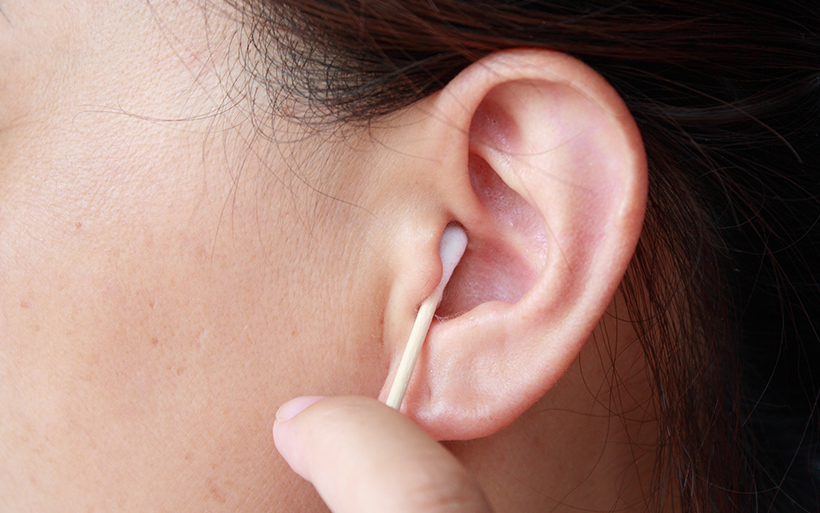
When hearing feels muffled, the natural desire is to use a cotton bud, but this is frequently a dangerous move. Using foreign items commonly pushes the plug deeper into the ear, increasing the danger of injury.
According to the NLM, placing objects into the auditory canal increases the risk of impaction and trauma.
Postponing a clinical check-up for actual hearing loss can result in losing out on solutions that shield your long-term mental and communal well-being.
The Critical Nature of a Clinical Ear Exam
A quick professional check-up is the primary way to confirm if wax is actually the cause of your dull hearing.
If cerumen is present, clinical extraction often resolves symptoms on the spot.
When the ear is clear but sound is still muffled, a diagnostic test is necessary to evaluate your auditory health.
The NIDCD recommends prompt evaluation anytime changes in hearing conflict with your daily routine.
Choosing the Correct Path for Improved Hearing
Dampened sound is hardly a definitive marker of chronic loss.
Very often, the issue is merely an accumulation of wax that can be easily resolved.
A professional evaluation will give you the clarity you require to advance without concern.
Keep in mind that self-diagnosis is no substitute for a professional exam when it comes to your hearing.
Finding the cause early protects your well-being and provides you with the peace of mind you deserve.
If you’ve observed a change in your auditory ability, reach out to our office for a formal assessment immediately.