
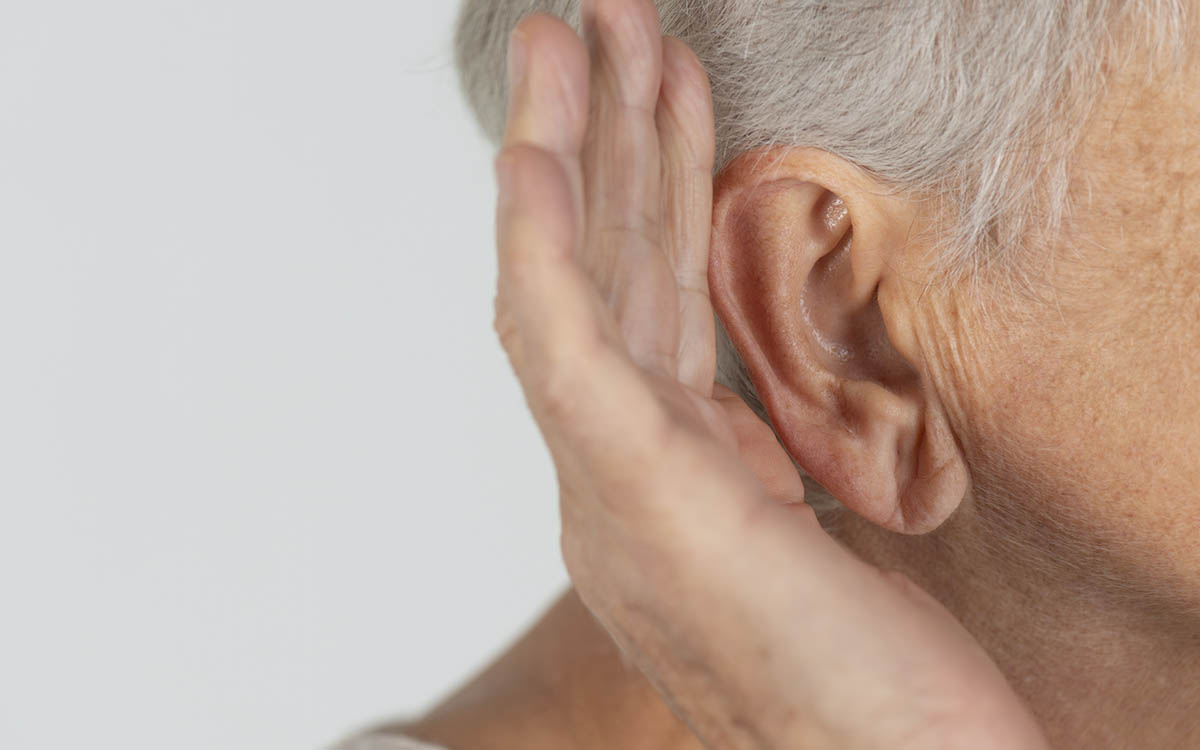
Commonly, clinicians link hearing loss with getting older, but for millions of Americans, ear injury manifests significantly sooner. As one of the most prevalent and avoidable types of auditory impairment, noise-induced hearing loss typically progresses slowly, but it often occurs gradually and goes unnoticed until the effects are permanent.
Understanding how noise exposure impacts your ears over time facilitates proactive protection before substantial hearing loss manifests.
Establishing the Nature of Acoustic Injury
The pathology of noise-induced hearing loss involves trauma to the sensitive anatomical structures within the inner ear. As reported by the CDC, acoustic levels surpassing 85 decibels can induce ear damage following repeated or lengthy exposure. Intense noise sources, specifically firearms or industrial tools, can compromise hearing integrity within a very brief timeframe.
The inner ear contains microscopic sensory receptors known as hair cells. These units are responsible for translating sound waves into the electrical signals required for auditory perception. Following injury, these hair cells lack the biological capacity to regenerate, which renders noise-related hearing loss an irreversible condition.
Tracking the Accumulation of Auditory Impairment
The insidious nature of noise-induced hearing loss is highlighted by its gradual developmental timeline. Early-stage symptoms resulting from noise exposure often include:
- Temporary ringing or buzzing in the ears (Tinnitus)
- Sensations of dampened or muffled auditory perception following noise exposure
- Difficulty understanding speech in noisy environments
These early warning signs may fade, leading people to assume their hearing has “recovered”. In fact, chronic noise exposure causes ongoing trauma to inner-ear anatomy, steadily eroding hearing precision.
The Hearing Loss Association of America reports that approximately 48 million Americans experience some degree of hearing loss, often without recognizing the contributing factors.
Everyday Sounds That Can Cause Hearing Damage
Modern society is characterized by high ambient noise, which frequently leads to a lack of awareness regarding sound intensity. Due to this, the commonality of injurious sound exposure often goes unrecognized.
Commonly encountered risks include:
- Professional music performances and concert environments
- The use of headphones at unsafe volume settings
- Industrial tools, lawn maintenance equipment, and motorcycles
- Occupational noise exposure within the construction or manufacturing sectors
Due to the routine nature of these sounds, auditory injury may accrue in the absence of overt symptoms.
The Imperative of Hearing Safeguards
A distinguishing factor of noise-induced hearing loss is the lack of clinical reversal options. However, it is highly preventable. The implementation of basic protective protocols can substantially mitigate risk, such as:
- Using earplugs or noise-reducing earmuffs in loud environments
- Limiting headphone decibels and implementing the 60/60 rule for safe listening
- Scheduled breaks from noise to facilitate ear recovery time
- Arranging for routine Audiology assessments if noise exposure is frequent
When to Consult with Expert Hearing Care
The presence of chronic Tinnitus, impaired speech recognition, or altered auditory clarity warrants a professional Audiology consultation. Timely professional assessment facilitates the creation of a management plan to maintain long-term auditory health.
Proactive ear protection in the present is essential for maintaining future auditory function. Noise may be unavoidable, but hearing loss doesn’t have to be!. Contact our team today to schedule a consultation and make sure you’re hearing your best.