
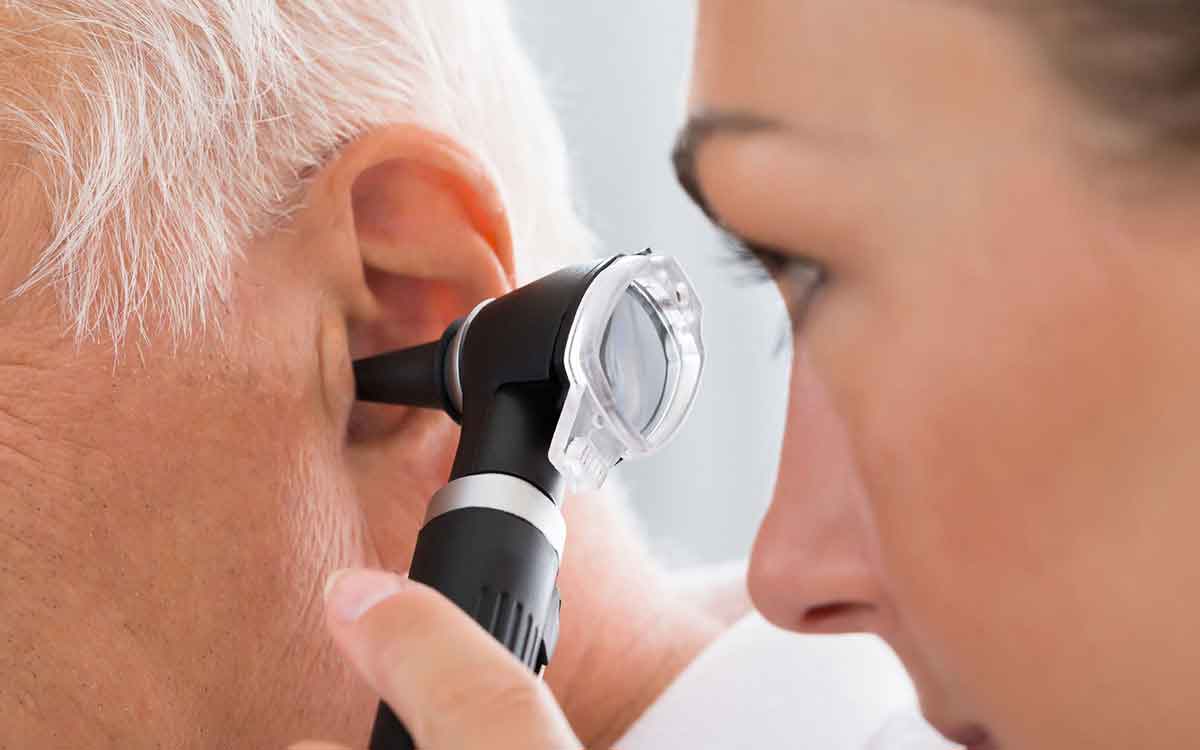
The subtle nature of hearing loss often causes preliminary symptoms to be overlooked. It is common for people to adapt to auditory changes by elevating device volume and steering clear of gatherings with significant background noise.
Prioritizing an initial evaluation can help with optimizing daily communication.
Recognizing Typical Early-Stage Hearing Loss Symptoms
If you identify any of these early warnings, we suggest arranging a professional hearing assessment to determine your status.
- Reduced clarity during social interactions in loud or crowded environments.
- Frequently asking people to clarify their statements.
- Muffled or blurred vocalizations, making it difficult to distinguish specific sounds.
- Turning up the volume on the TV, phone, or radio higher than others prefer.
- Trouble hearing higher-pitched sounds, including children’s voices, birds, or doorbells.
- Persistent ear ringing or humming associated with tinnitus.
- Feeling mentally exhausted after social interactions, resulting from increased efforts to hear better.
- Withdrawing from social events as dialogue has become stressful.
These early signs of hearing loss can affect either ear and can be intermittent at first. Because the brain adapts quickly, many people don’t realize the extent of their subconscious adjustments until hearing loss advances further.
Auditory Health: Current Statistics and Projections
Data from the World Health Organization suggests that over 700 million individuals will face the requirement for auditory rehabilitation by mid-century. Other significant statistics include:
- By 2050, approximately 2.5 billion people are projected to experience some degree of hearing loss.
- More than five percent of the global community (roughly 430 million people) requires clinical support to manage disabling hearing loss.
- More than 1 billion younger individuals are at risk of permanent hearing loss due to unsafe listening practices.
- Among those over the age of sixty, over 25% have clinically significant hearing loss.
The Critical Importance of Early Identification
If left unaddressed, hearing loss may affect multiple dimensions of your health outside of auditory function.
Clinical evidence shows a documented link between ignored hearing loss and mental health risks, including isolation and depression.
Early intervention provides superior results and diverse therapeutic options.
A professional assessment clarifies if hearing shifts are the result of aging, earwax impaction, or different medical factors.
Occasionally, hearing shifts are temporary and resolve with intervention.
For chronic conditions, the early implementation of hearing protection or devices can help manage the condition.
When to See a Hearing Specialist
A professional screening is recommended if you experience the following:
- Clinical indicators remain present for a duration exceeding several weeks.
- Auditory challenges impact occupational performance and social life.
- You experience sudden hearing loss, dizziness, or chronic ear ringing (this should be evaluated promptly).
Auditory screenings are comfortable and safe, plus they offer valuable insight into your auditory wellness.
Reach out to our professional team today if you believe you would find value in a hearing evaluation.
Frequently Asked Questions: Recognizing Auditory Decline
Question: Is aging the sole cause of hearing impairment?
Answer: Not necessarily. Although presbycusis is prevalent, auditory shifts can stem from noise trauma, ototoxic drugs, or genetic factors.
Question: Is it possible to restore lost hearing?
Answer: Specific causes, including earwax blockage, may be susceptible to reversal through treatment. Other types are permanent but can often be effectively managed with treatment or hearing devices.
Question: What is the recommended frequency for hearing screenings?
Answer: Clinical guidelines suggest a baseline evaluation by the age of 50, or earlier if symptoms of hearing loss are noticed.