
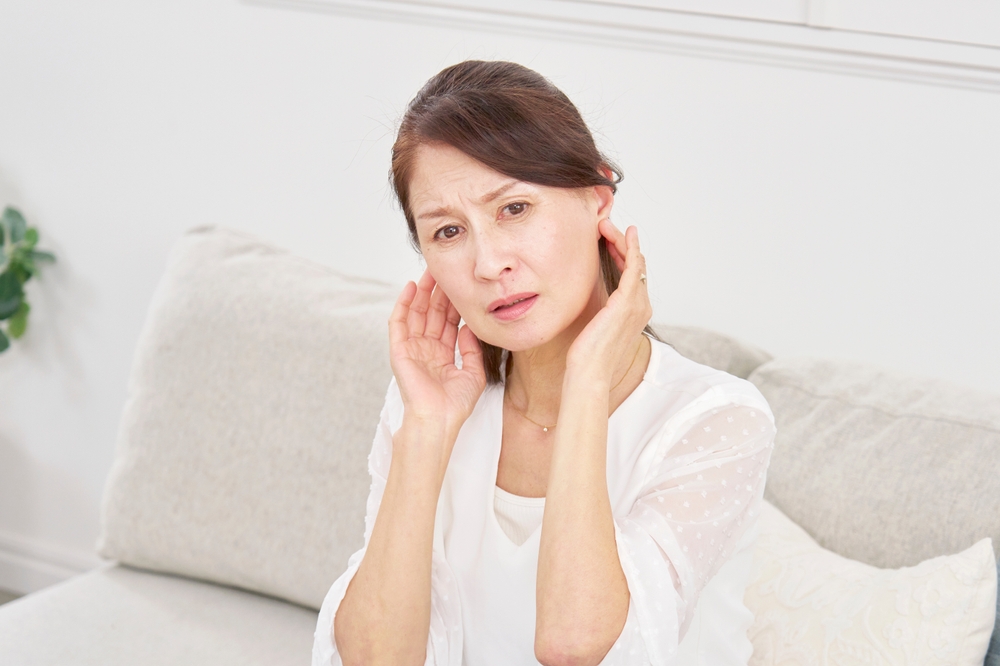
Starting your day only to find your hearing has disappeared creates an immediate sense of dread. The experience of losing hearing instantly, especially in the lack of pain, is naturally jarring. Though certain triggers are short-term and simple to resolve, others demand urgent clinical assessment.
Recognizing the typical catalysts for rapid hearing loss and acting decisively can profoundly impact your recovery path. Below, we review the traits of sudden hearing impairment along with clinical guidance on when to call a specialist.
What Is Sudden Hearing Loss?
Clinically, sudden hearing loss is categorized as an increased reduction in auditory function occurring almost instantly or over a three-day period. This loss is usually one-sided, although it can present in both ears under certain circumstances. Individual experiences vary from clouded hearing and tinnitus to a distinct sense of congestion or vocal distortion.
The Urgency of Sudden Sensorineural Hearing Loss (SSHL)
SSHL is one of the most critical conditions for an audiologist to investigate quickly.
This impairment occurs when there’s an issue with the inner ear, auditory nerve, or brain pathways involved in hearing. While an exact etiology is often unknown, several factors are frequently identified as potential drivers:
- Compromised circulation within the cochlear system
- Systemic inflammatory catalysts or autoimmune reactions
- Underlying viral activity affecting the ear
- Neurological factors
Clinical professionals classify SSHL as an emergency because rapid intervention improves the chance of a full recovery.
Viruses and Inner Ear Health
Particular viral strains can result in lasting or transient hearing shifts by aggravating delicate inner ear tissues.
The following viral conditions are frequently associated with sudden onset hearing issues:
- Standard upper respiratory viruses
- Multiple strains of influenza
- Herpes viruses
- Secondary hearing effects after a COVID-19 infection
Patients might notice hearing shifts as a virus resolves, often paired with a sense of imbalance or pressure.
Impact and Auditory Trauma
A strike to the cranium, sudden pressure changes, or loud noise exposure can damage delicate structures inside the ear.
Trauma-related causes include:
- Severe head strikes and concussive events
- Rapid pressure changes such as barotrauma
- Sudden blasts of intense noise
- Fluid leaks or shifts within the labyrinth
Don’t dismiss minor trauma, as fast hearing changes post-injury often signal underlying damage.
Conductive Blockages: The Role of Earwax
While not a medical emergency like SSHL, impacted wax is a frequent cause of abrupt auditory dullness.
Earwax-related hearing loss may:
- Manifest with speed
- Create a distinct sensation of aural congestion
- Be more pronounced on one side
- Improve once the blockage is safely removed
Crucially, a self-diagnosis at home cannot properly differentiate between a simple blockage and a nerve-related crisis. Consequently, an expert audiology assessment is essential.
Less Common Drivers of Sudden Hearing Impairment
The following conditions are also noted as potential sources of sudden hearing decline:
- Medication side effects
- Circulatory or vascular conditions
- Immune-mediated inner ear disorders
- Acoustic neuromas or related rare tumors
A detailed assessment by an expert provides the clarity needed to rule out these rare conditions.
The Time-Sensitive Nature of Treating Hearing Loss
The most vital takeaway regarding rapid hearing changes is to avoid a wait and see approach.
Immediate diagnostic testing serves to:
- Pinpoint underlying issues that can be corrected
- Increase the likelihood that treatment will restore hearing
- Protect against lasting damage to the hearing nerve
- Minimize the impact on your long-term ability to communicate
Comprehensive hearing tests are the primary tool for categorizing the impairment and establishing a recovery plan.
When to Seek Immediate Help for Sudden Hearing Loss
It is vital to get prompt medical or audiology care if you experience:
- Unexpected deafness occurring in one or both ears
- A loss of hearing accompanied by vertigo or lack of coordination
- A sudden sensation of ringing or intense aural pressure
- Loss of hearing that manifests after a medical event or head impact
Even if hearing returns partially, evaluation is still important to find out what’s going on.
How Hearing Tests Provide Immediate Solutions
Hearing tests can quickly clarify whether hearing loss is:
- A conductive issue involving the middle ear or ear canal
- Nerve-based or related to inner ear damage
- Likely to be short-term or a chronic impairment
Timely testing supports faster treatment decisions and better outcomes.
Prioritizing Your Auditory Health and Peace of Mind
Abrupt hearing loss is bound to feel alarming, but the sooner you seek care, the more options you may have to address it.
Choosing to get evaluated immediately after a change in hearing ensures you are taking the right steps for your future. Our team is ready if you experience sudden hearing loss: Call our care team as soon as possible at our office for the help you need.