
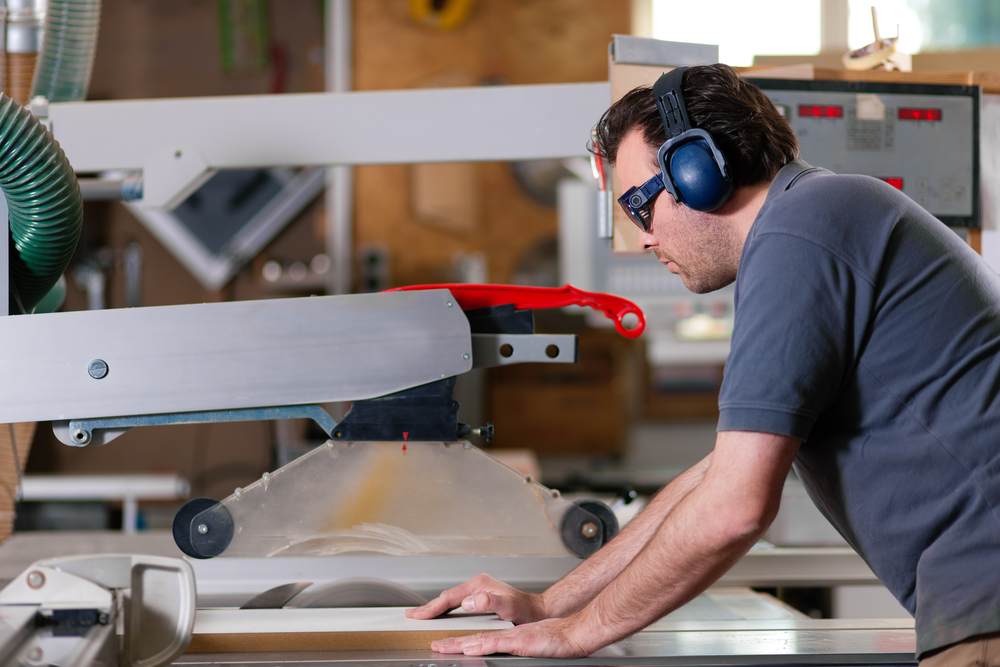
Exposure to noise for long periods poses a major risk to your auditory health, especially in locations where the sound volume surpasses safety thresholds. Ear protection is necessary for both the avoidance of hearing damage and for preserving concentration in loud settings. Consequently, what steps should you take to select the ideal hearing protection level suited to your needs?
Understanding noise levels and their consequences
The harm caused by noise exposure is a combination of both its volume and the time spent in that environment. We use decibels—a unit that measures sound intensity—as the main metric for grasping noise levels. Hearing damage can initiate when sound volume hits 85 dB or more, especially after extended exposure.
For reference, 85 dB is equal to the noise level of city traffic heard from inside a car. Even though this might not sound excessive, eight hours of uninterrupted exposure at this level can initiate harm to your hearing. As the sound increases in volume, the duration of time you can be exposed safely decreases:
- Exposure to 90 dB (the sound of a Lawnmower) for more than 4 hours may be damaging.
- Keep your exposure to 100 dB (Power tools) to less than 1 hour.
- 110 dB (Leaf blower): Just 15 minutes of exposure can cause damage.
- Exposure to 120 dB (a Rock concert) will damage your hearing instantly.
- Exposure to 140 dB (Jet engine) results in immediate damage and intense pain.
Determining unsafe levels of noise
It is mandatory to use hearing protection if your regular exposure is to noise levels above 85 dB. This holds chiefly true in professional settings, such as factories, building areas, or anywhere where machinery, tools, or gear generate excessive levels of noise.
Hearing protection is also valuable outside of the job; activities like attending music concerts, operating leaf blowers, or participating in shooting sports can expose you to hazardous sound levels.
Using the NRR to choose the right hearing protection
Hearing protection efficacy is quantified using the Noise Reduction Rating (NRR) scale. The NRR value shows the level of sound reduction, given in dB, that the protector provides. More substantial protection is indicated by a larger NRR value. An instance is a pair of earplugs with a 30 dB NRR, which could lower an 85 dB sound to 55 dB, thereby maintaining you securely within the bounds of safe exposure.
In selecting protection, you must assess the precise noise levels you encounter and ensure your chosen protector reduces the sound sufficiently to remain under 85 dB.
The important function of comfort in uninterrupted protection
Comfort is a factor of equal significance to the NRR, as it directly influences whether you will wear the protection consistently for the extended period. If the hearing protection is bulky or ill-fitting, you are inclined to remove it, which leaves your hearing unprotected against harmful noise.
When the protection is comfortable, it encourages constant use and minimizes the threat associated with removing it intermittently. If, for example, earmuffs feel ill-fitting or are too heavy, you are inclined to take them off periodically, resulting in harmful noise exposure.
Exploring the multiple options of ear protection
A variety of hearing protection options are available, all with their own set of pros and drawbacks:
- Foam Earplugs: These sit inside the ear canal and offer excellent noise reduction. They’re lightweight and disposable but may feel uncomfortable for some users.
- Being reusable and resting just outside the ear canal, Pre-Molded Earplugs are a more sustainable choice and are also easier to insert and remove than foam earplugs.
- Earmuffs: Earmuffs cover the entire ear and are ideal for environments with fluctuating noise levels, as they’re easy to put on and take off. However, they may feel heavy or warm during extended use.
The ideal type of protection to choose is determined by your own preference and the demands of the setting you are in. An instance is construction workers preferring earmuffs for their easy convenience, while factory workers may opt for earplugs for a full day of wear.
Ensuring continuous use
The protection that is worn consistently is, by its very design, the most effective kind. Even a brief time without protection can lead to lasting consequences on your auditory health. A product that successfully merges convenience, protection, and comfort is, as a result, important.
Taking steps for lasting hearing protection
Noise is a constant presence in our lives, but with the appropriate hearing protection, you can protect your ears while continuing to enjoy the sounds around you.
Reach out to us now to talk about your potential for noise-related hearing loss and how to most effectively safeguard your hearing health.